Archived Player Discussions Document Bankroll Allocation Shifts for Prolonged Mixed Gaming Experiences
Written by Clara Keller · Sep 16, 2026
Archived Player Discussions Document Bankroll Allocation Shifts for Prolonged Mixed Gaming Experiences
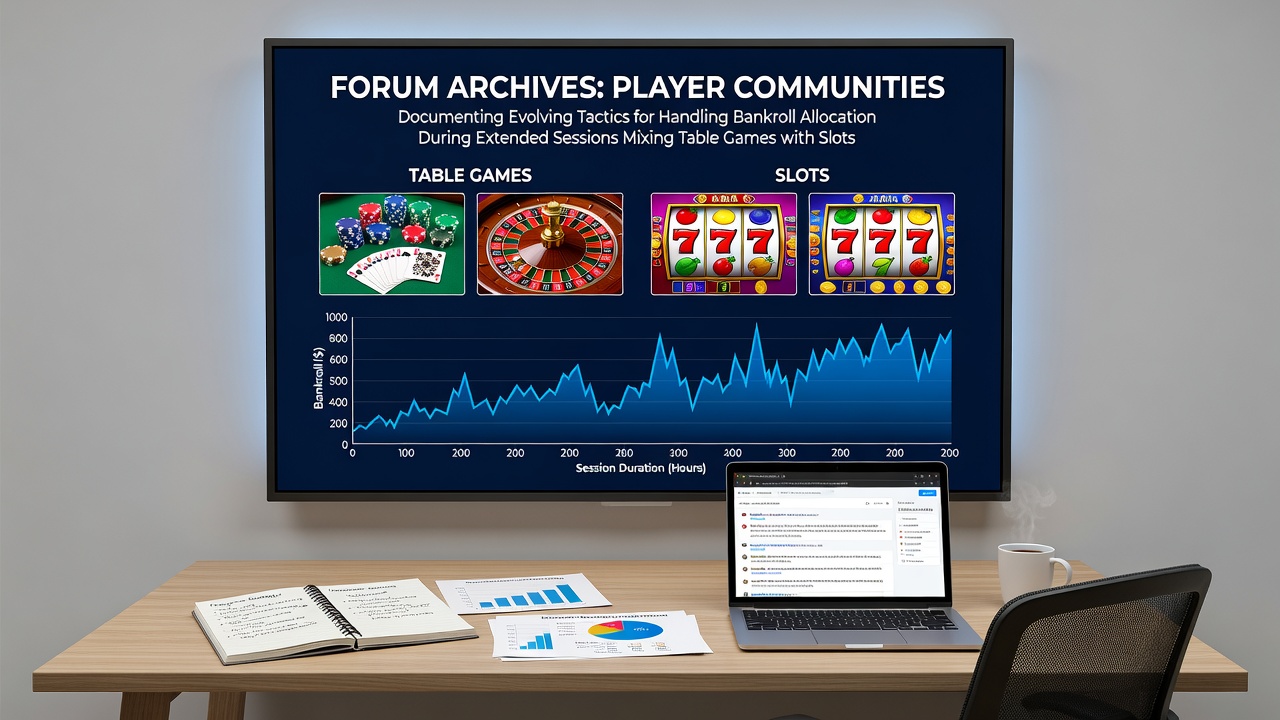
Forum archives from player communities have preserved detailed records of how participants approach bankroll allocation when sessions combine table games such as blackjack and roulette with slot machines over several hours, and these records span multiple years of shared experiences. Data from these sources shows participants often divide funds into segments that account for the differing volatility levels between games, with table play typically requiring larger portions per hand while slots demand smaller incremental bets to extend playtime. Records indicate that early entries from the 2010s describe rigid percentage splits, such as reserving 60 percent for tables and 40 percent for slots, yet later threads reveal adjustments based on observed session lengths and game sequences.
Community contributors frequently reference the need to recalculate remaining funds after each switch between game types, and archives demonstrate that many adopt a running tally method where table wins or losses directly influence the amount redirected to slots. Studies from academic sources on gambling behavior, including those compiled by the Australian Gambling Research Centre, have examined similar patterns in extended play, noting that mixed sessions introduce additional variables around timing and bet sizing that single-game approaches do not encounter. Forum posts archived through 2025 illustrate participants experimenting with tiered reserves, setting aside a core amount for the primary game type while maintaining a flexible buffer for the secondary activity.
Patterns Observed Across Multiple Platform Archives
Threads collected from various regional player forums document a progression from static allocation models toward more responsive frameworks that factor in real-time performance metrics. One recurring approach involves establishing session caps that trigger a switch to the alternate game category once a predetermined threshold is reached, and records show this method gained traction around 2022 as players shared results from longer visits. Contributors describe tracking metrics such as average bet size and duration per game type, then reallocating on the fly to maintain overall session viability, and these accounts appear consistently across multiple archive collections.
Evidence from Canadian regulatory reports on player behavior highlights comparable strategies in mixed environments, where data indicates participants who adjust allocations mid-session report extended play periods compared to those who maintain fixed divisions. Forum entries detail practical applications like starting with higher table stakes during peak energy periods before transitioning to lower-variance slots, and archived exchanges include spreadsheets or simple calculation templates that users developed to automate these adjustments. Observers note that such tools evolved alongside mobile access improvements, allowing quicker updates during actual sessions.
Adaptations Documented in Extended Play Scenarios
Longer sessions that blend table games with slots present unique allocation challenges because table outcomes often occur in larger increments while slot results accumulate through frequent small changes, and forum archives capture numerous examples of players refining their methods to address this contrast. Records from 2023 onward show increased discussion of volatility buffers, where a portion of the bankroll remains untouched until a specific number of table rounds or slot spins have occurred. Participants describe layering additional safeguards such as time-based checkpoints that prompt a full review of remaining funds and a possible reallocation between categories.
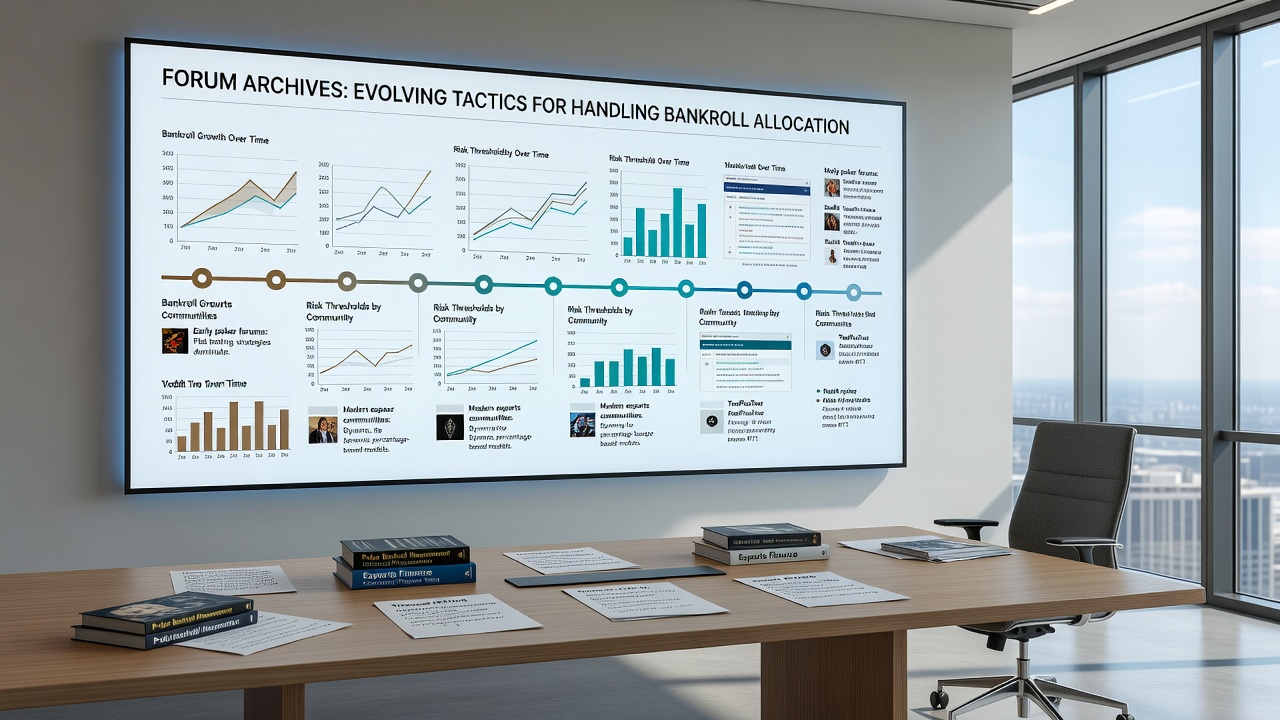
Archives reveal that some communities developed color-coded tracking systems to distinguish table funds from slot reserves, and these systems appear in shared screenshots and descriptions that date back several years. As of September 2026, recent threads indicate further refinement through integration with external apps that log bets across game types automatically, reducing manual calculation errors during extended play. Contributors reference experiences where failure to reallocate promptly after a table win led to premature depletion of slot portions, prompting collective updates to recommended checkpoint intervals.
Regional Variations in Shared Tactics
Forum collections from different geographic areas display distinct emphases in bankroll handling, with North American discussions often focusing on hourly spend rates while European archives highlight sequence-based triggers for switching game categories. Data compiled by the Nevada Gaming Control Board on player expenditure patterns aligns with many documented forum strategies that incorporate loss limits tied to total session duration rather than individual game performance. Participants in these archives frequently exchange modified versions of allocation charts that incorporate local game availability and typical session lengths encountered at various venues.
Additional records show how players incorporate external factors such as promotional offers or tournament schedules into their allocation plans, and these integrations appear more prominently in archives from regions with frequent casino events. Threads describe testing revised splits after major game releases or rule changes, with results shared to refine collective understanding of effective bankroll division methods.
Conclusion
Forum archives continue to accumulate records of bankroll allocation approaches tailored to mixed table and slot sessions, providing a chronological view of how participants refine these methods over time. The documented tactics range from basic percentage divisions to dynamic systems that respond to session developments, and they reflect ongoing adaptations to game characteristics and play duration. These resources remain accessible for those seeking historical context on player-developed financial management techniques within community discussions.